The Table After the Round: Twelve UK Golf Breaks Where Lunch Completes the Day
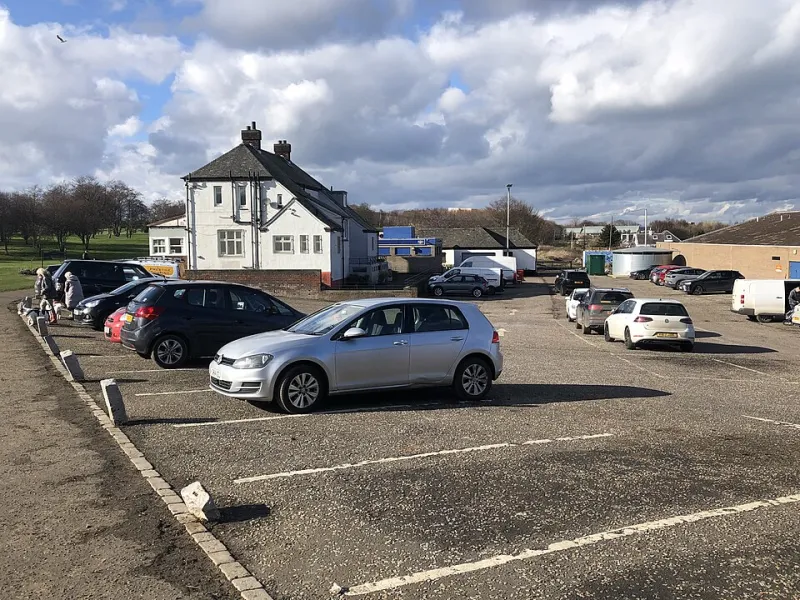
Photo: Richard Webb , CC BY-SA 2.0, via Wikimedia Commons
UK golfers have long understood that a round is not finished when the putter is replaced in the bag. The walk from the 18th green to the clubhouse is part of the day's architecture, and the lunch that follows can either crown a good score or expose a break that was planned only as far as the first tee. For 2026, the sensible golf-break planner treats the 19th hole with the same care as the tee sheet.
The Clubhouse Is Part of the Handicap
Not literally, of course. No committee hands out a lunching handicap. But every golfer who has travelled for a round knows the feeling of a club that gets the off-course details right — the greeting at the bag drop, the changing room that smells of polish rather than disinfectant, the halfway house that is staffed by someone expecting you, and a dining room where the pace of service matches the mood of the group.
The clubhouse handicap is the cumulative impression of those things. A course can be excellent and a day still feel thin if the only food available after 3pm is a packet of crisps. Equally, a modest course can feel generous because the soup is hot, the sandwiches are properly made and the bar steward remembers which table is yours. When planning a golf break, judge the club on the full day rather than the scorecard alone.
Reading the Menu Before You Commit
Clubhouse food in the UK generally falls into four styles. The bar menu is informal and flexible; it suits groups who cannot guarantee a finish time. The fixed lunch — often two or three courses at a set price — is the traditional clubhouse model and rewards punctuality. The carvery or buffet is efficient for larger parties but can feel institutional if the room is quiet. The spike bar is for quick sustenance, not ceremony.
Before booking, ask three questions. Is the dining room open when you expect to finish, not when you expect to start? Is there a halfway house, and does it serve hot food or only snacks? What is the dress code, and does it apply to the bar as well as the dining room? A club that answers those questions clearly is usually a club that has thought about the visitor's day.
Service style matters as much as the menu. A polished dining room with a two-course lunch and a jacket rule is a different proposition from a relaxed terrace where wet gear is tolerated. Neither is better in the abstract; the mistake is to arrive expecting one and find the other. For groups, agree a sitting time and a budget in advance. A lunch that begins at 3.30pm after a slow round is not the same meal as one that begins at 2pm.
Twelve Venues Where the Table Earns Its Place
-
Royal Dornoch Golf Club, Sutherland. The Championship Course is the draw, but the clubhouse lunch is the reason to linger. Expect a warm welcome, a menu built around local produce and a dining room that encourages a second pot of tea. The halfway house is modest, which is exactly the point: it does not interrupt the rhythm of the links.
-
Sunningdale Golf Club, Berkshire. The Old and New courses are among the finest in England, and lunch in the dining room is a ritual rather than a refuelling stop. Visitors should book and respect the jacket-and-tie culture. The menu is traditional, the service polished and the sense of occasion worth the planning.
-
Woodhall Spa Golf Club, Lincolnshire. The Hotchkin course is a heathland test, and the clubhouse is comfortable rather than showy. A proper Lincolnshire lunch, efficient service and a halfway hut that understands a cold morning make it a sound stay-and-play base. The welcome is genuine rather than performative.
-
Royal St George's, Kent. Sandwich is a pilgrimage for the serious golfer, and the clubhouse lunch is part of the experience. The dining room is formal, the service discreet and the menu reassuringly classic. Visitors on permitted days should book ahead and allow time to enjoy the room rather than rush back to the car.
-
Gleneagles, Perthshire. A resort rather than a members' club, but the clubhouse dining after the King's or Queen's course is first-class. The halfway house is famously good, and lunch can be taken in the clubhouse or the hotel. For a premium break, it sets a benchmark for how the off-course day should feel.
-
The Grove, Hertfordshire. A modern resort with a relaxed but polished clubhouse. Lunch on the terrace is a sensible choice after a morning round, and the halfway house is efficient. It suits London-based golfers who want a full day without the formality of a traditional members' club.
-
The Belfry, Warwickshire. The Brabazon course draws the crowds, and the clubhouse has a broad menu to match. Service can be busy at peak times, so book a table rather than rely on the bar. For groups, it is a practical choice with enough choice to satisfy mixed appetites.
-
The Montgomerie Course at Celtic Manor, Newport. The Montgomerie layout demands strategy, and the resort's dining gives a choice of clubhouse and hotel restaurants. Lunch can be informal or celebratory, and the halfway house is well placed for the rhythm of the round. A natural fit for a Welsh golf break.
-
St Andrews Links, Fife. The Old Course is the reason most visitors come, but lunch in St Andrews afterwards is part of the pilgrimage. The Links clubhouse and the town's dining rooms both reward booking. Allow time to eat properly rather than treating the meal as an afterthought.
-
Muirfield, East Lothian. The Honourable Company of Edinburgh Golfers is famous for its lunch, and with good reason. Visitors on designated days should expect a formal, set-menu occasion with precise service. It is not a casual break, but for a planned visit it is one of the great clubhouse experiences in Britain.
-
Royal Liverpool, Wirral. Hoylake is a classic Open venue, and the clubhouse lunch is traditional and welcoming. The halfway house is useful, and the day can be combined with a Liverpool stay. It rewards a group that wants a proper club day rather than a resort experience.
-
Walton Heath, Surrey. The Old and New courses are heathland classics, and the clubhouse lunch is clubby and well judged. Service is attentive without fuss, and the menu suits a long day of golf. For a Surrey break, it is a reliable choice for the full party.
Planning the 19th Hole Like a Tee Time
Call the club rather than relying only on an online booking platform. Ask whether the dining room is open after your round, whether a halfway house will be operating and whether the menu changes at weekends. For groups, agree a sitting time and a budget before arrival. If the clubhouse closes early, plan a late breakfast instead of a late lunch.
The best golf breaks are sequenced. A morning round followed by a leisurely lunch is different from an afternoon round followed by a rushed sandwich. The clubhouse should be part of the itinerary, not a gap between the golf and the journey home.
The Montgomerie view is simple: a course can be read from the tee, but a club can be read from its table. Plan the 19th hole with the same care as the first, and the day will feel complete.