The Horn and the Hot Towel: Composure and Hospitality in a UK Golf Break Delay
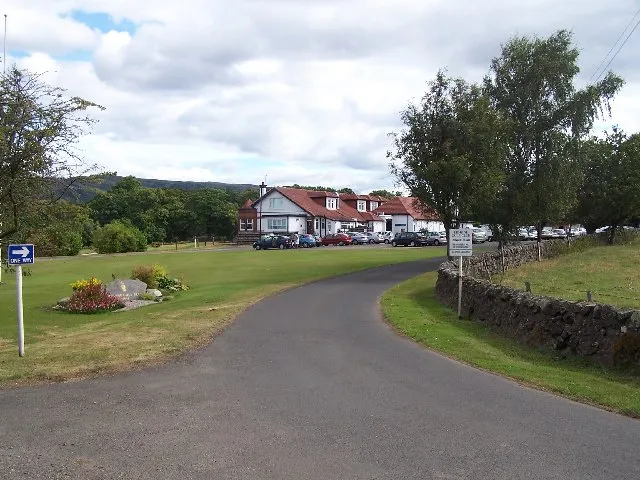
Photo: william craig, CC BY-SA 2.0, via Wikimedia Commons
There is a particular kind of silence that falls over a UK golf break when the forecast finally wins. The horn sounds, the covers go on, and a group of optimistic golfers is herded towards the clubhouse with wet grips and unfinished business. In 2026, with weather patterns as capricious as ever, the washed-out hour is no longer an outlier. It is a contingency that every serious club golfer should pack for alongside the waterproofs.
The temptation is to treat the stoppage as dead time: a sulk in the spike bar, a scroll through the radar, a slow negotiation with the idea that the round may not resume. But a rain delay is more usefully understood as a test. It examines the venue's hospitality and the golfer's composure in equal measure. The best UK golf breaks are not those that promise sunshine; they are those that handle the squall with grace. And the best golfers are not those who avoid interruption; they are those who return to the course with a clear head and a dry glove.
Before the First Drop: What Lives in the Bag
A rain delay begins before the first drop falls. The golfer who has packed with intent will already have a small, waterproof pouch containing a spare glove, a microfibre towel, a dry cap, and a pair of socks. This is not over-preparation; it is the minimum contract with a British climate that can turn a benign morning into a testing afternoon. The pouch should live in the bag for the season, not be assembled in the car park as the first spots hit the windscreen.
The same principle applies to the scorecard. A pencil smudges; a card turns to pulp. A small notebook or a phone note is more resilient, but the club golfer should also know where the card sits in the bag and how to protect it. The rain delay is not the moment to discover that the waterproof cover has been left in the boot.
There is also the matter of the trolley. If the venue offers a covered trolley store or a drying room, use it. If not, a lightweight cape and a willingness to carry the clubs for the remaining holes are sensible. The point is not to be the golfer who spends the delay wrestling with equipment. The point is to be the golfer who emerges with dry hands and a settled mind.
Reading the Clubhouse While the Sky Decides
The clubhouse is the venue's chance to show its character. A good one will have a clear announcement system, a scoreboard or screen showing the radar, and a member of staff who can explain the likely duration of the stoppage. It will also have somewhere to sit that is not the thoroughfare of the spike bar, and a menu that understands the difference between a delayed round and a lost afternoon.
The club golfer should read these signals carefully. A club that treats the delay as an inconvenience to be endured will often betray itself in small ways: no forecast on display, no clear instruction about the restart, a bar that is understaffed at the first sign of rain. A club that treats it as part of the day will offer a hot drink, a dry seat, and a quiet word about the likely window. That is hospitality in its most practical form.
It is also worth watching how the venue handles the practice facilities. If the covered bays remain open, if the putting green is being swept, if the professional is on hand with a towel and a word of advice, the delay has a purpose. If the whole place goes quiet, the golfer learns something about the priorities of the operation.
The Practice Ground as a Diagnostic
A covered bay is not merely a place to keep swinging. It is a diagnostic tool. The delay offers a rare chance to check the foundations of the swing without the pressure of a scorecard. A few smooth wedges, a check on grip pressure, a rehearsal of the pre-shot routine: these are not wasted minutes. They are a reset.
The putting green, if it remains playable, is even better. The pace of the greens after rain is different, and the golfer who spends ten minutes rolling putts will be better prepared for the resumption than the one who spends ten minutes complaining. The same applies to the short game area. A wet lie, a softer bounce, a slower green: these are conditions to be felt, not feared.
The club golfer should resist the urge to treat the practice ground as a place to grind. The delay is not a lesson. It is a pause. The aim is to keep the body loose and the mind quiet, not to rebuild the swing in a covered bay while the rain hammers the roof.
The Reset After the Whistle
When play resumes, the round does not simply continue. It restarts. The golfer who has been sitting for an hour cannot expect the same rhythm as the one who walked off the fourth green. The first hole after a delay should be treated as a new opening: a conservative line, a full routine, a focus on contact rather than outcome.
The scorecard should be approached with honesty. A delay is not an excuse, but it is a context. The golfer who drops three shots in the first two holes after the restart is not necessarily playing badly; they are recalibrating. The better response is to accept the new conditions, take the medicine, and let the round settle again.
There is also a social dimension. The group that has waited together has a shared experience. The conversation in the clubhouse, the shared weather app, the collective groan at the radar: these are part of the day. The golfer who returns to the course with a little humour and a dry glove is the one who will remember the break with affection, not resentment.
A Test of Hospitality, Not Just Weather
The washed-out hour is a small, revealing episode. It shows whether a venue has thought about the golfer beyond the tee time, and whether the golfer has thought about the round beyond the fairway. In 2026, with UK weather offering no guarantees, the rain delay is a fixture. The club golfer who plans for it, reads the clubhouse, uses the practice ground wisely, and resets with composure will get more from the day than the one who simply waits for the sun.
The rain will stop. The question is what kind of golfer walks back out.