The First Fifteen Minutes: Reading a UK Golf Break by Its Arrival Rooms
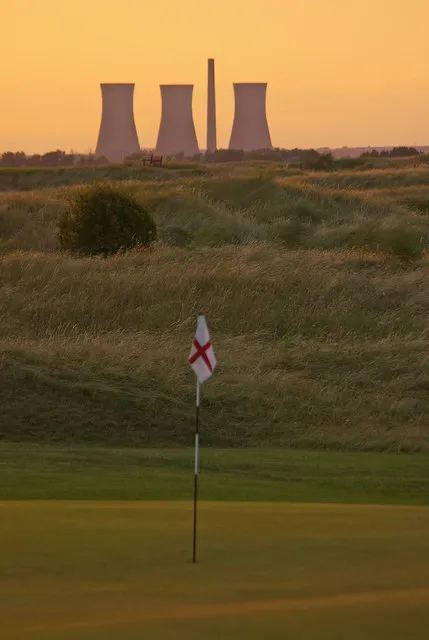
Photo: Ian Capper, CC BY-SA 2.0, via Wikimedia Commons
A golf break is usually sold on its headline hole: the long par four turned into a postcard, the par three over water, the eighteenth framed by the clubhouse. Those images have their place. But the serious club golfer learns to read a venue earlier, in the fifteen minutes between leaving the car and standing on the first tee. That is when a UK stay-and-play break reveals its operating standard — not in the brochure, but in the bag drop, the bench, the towel rail and the quiet choreography of staff who have done this many times before.
The Montgomerie name is a useful benchmark here. Courses drawn with a question in mind tend to be paired with clubhouses that understand the answers must be practical. A venue can possess a superb layout and still fail the arrival test; equally, a modest course can greet you with such settled competence that you trust it before you have struck a shot. The distinction matters in 2026, when the UK golf-break market is broad enough that first impressions are no longer a courtesy. They are evidence.
The Bag Drop Is a Statement of Intent
Watch what happens when you pull into the car park. Is there a clear place to stop, or are you left to interpret a yellow line and hope? Does someone appear, or does a sign point you towards a trolley that is either waiting or absent? The bag drop is the first operational sentence a venue speaks, and it rarely stumbles by accident.
A well-run bag drop has three qualities: visibility, capacity and calm. Visibility means you do not have to search for it. Capacity means it can absorb a Saturday morning changeover without turning into a scrum. Calm means the staff member who takes your bag is not also answering the telephone, directing a wedding party and hunting for a missing trolley key. At a premium UK break, the bag drop should feel less like a favour and more like a system.
This is not about ostentation. A simple covered rack and a cheerful attendant can outperform an elaborate portico if the process is intelligent. What you are judging is whether the venue has thought about the moment your golf begins — and whether it has designed for it.
Changing Rooms: The Honest Room
The changing room is the most honest room in any golf club. It cannot be staged for long. Carpets either dry or they do not; showers either drain or they pool; benches either hold a bag without wobbling or they do not. A club golfer does not need marble and mood lighting. He needs a room that has been maintained with the same attention as the first fairway.
Look for the less glamorous indicators. Are the hooks at a sensible height? Is there space to put a shoe bag down without blocking a walkway? Do the showers run hot promptly, and is there somewhere dry to stand afterwards? Are the mirrors clean, the bins emptied and the ventilation doing its job? These are unglamorous questions, but they are the ones that determine whether a golf break feels first-class on the second morning as well as the first.
A useful test is the bench. If the bench is sound, the room has been specified by someone who has actually changed a pair of golf shoes in a hurry. If it flexes, rattles or has been mended with a length of timber, the venue may be managing decline rather than maintaining standards.
Shoes, Towels and the Small Economies
Shoe service is a luxury in some clubs and a routine courtesy in others. On a UK golf break, the presence of a proper shoe-cleaning station — or a staffed service — tells you something about how the venue regards the end of the round as well as the start. A brush, a cloth and a tin of polish are modest things. Their absence is rarely about cost; it is about whether anyone has noticed.
Towels follow a similar logic. A folded towel on a locker shelf is a small gesture. A towel that is damp, thin or missing is a small failure. The cumulative effect is what matters. Golfers forgive a great deal when the basics are handled with care, and they remember the basics when the headline facilities disappoint.
The same applies to locker etiquette. A locker that works, a key that turns, and a clear expectation about whether you may leave shoes overnight — these are the unwritten contracts of a stay-and-play break. Where they are well managed, the whole visit feels more settled. Where they are vague, golfers begin to improvise, and improvisation in a changing room rarely ends well.
Staff Choreography: The Invisible Concierge
The best arrival staff are not necessarily the most effusive. They are the most legible. They know when to approach and when to let a golfer find his own way. They understand that a fourball arriving with luggage, trolleys and a dinner reservation needs a different sequence from a single golfer with a carry bag and twenty minutes to spare.
This is choreography, not theatre. A receptionist who checks the tee sheet before asking your name, a porter who takes the bags to the right place without being asked twice, a starter who knows the first tee is running five minutes late — these are signs of an organisation that communicates internally. A venue that cannot coordinate its own staff before the round will rarely coordinate the round itself.
At a Montgomerie course, the architecture often asks you to think about angle, patience and the shape of a shot. The arrival should ask nothing so demanding. It should simply reassure you that the day is in capable hands.
A Discreet Checklist for 2026
For club golfers comparing UK stay-and-play breaks in 2026, a short private checklist is more useful than a long brochure. Consider:
- Bag drop: Is it obvious, staffed and able to cope with a changeover?
- Changing room: Are the benches sound, the showers prompt and the ventilation adequate?
- Shoe service: Is there a brush, a cloth or a staffed service without having to ask?
- Towels: Are they present, dry and fit for purpose?
- Lockers: Do they work, and is the overnight expectation clear?
- Staff: Do they anticipate the sequence rather than react to it?
None of these details will appear in a photograph of the signature hole. All of them will shape the memory of the trip. A golf break is not merely a course; it is a sequence of small transactions between arrival and departure. The venue that understands this will usually have the course to match.
The first tee will still ask the important questions. But by then, the arrival rooms have already given their answer.