Grip, Loft and Loaner: The Workshop Test for a UK Golf Break
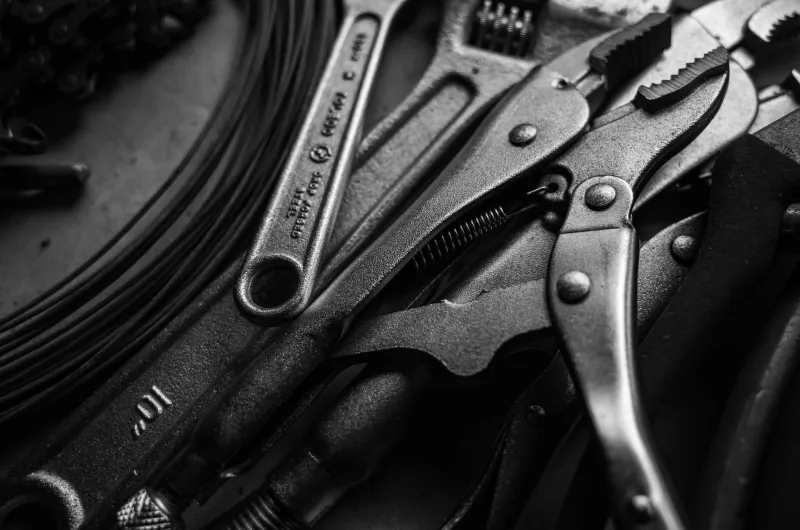
The welcome desk can be rehearsed. The first tee can be staged. The practice putting green can be mown to a photogenic fringe and the clubhouse can smell of fresh coffee and old timber. None of it is dishonest, exactly, but all of it is theatre. The room that tells the truth is usually at the end of a corridor, past the trolley store, behind a door marked Staff Only or, if the club is confident, left open for anyone who asks.
The repair bench is the quiet conscience of a UK golf break. It is where a club reveals whether it thinks of visiting golfers as a passing revenue stream or as players who will return, season after season, with their own clubs and their own expectations. A brochure will tell you the course was designed with angles in mind. The bench will tell you whether anyone on the property can still bend a wedge to match them.
The Room Behind the Bag Drop
Arrival rituals have become a genre of their own. The bag is lifted from the boot, the name is checked against a sheet, the changing room is pointed out, the first tee is described. It is all courteous and largely uninformative. The workshop asks a different question of a club, and it asks it without flattery: when something goes wrong with the equipment of a paying guest, what happens next?
In a proper golf club, the answer is a bench with a vice, a shaft extractor, a loft-and-lie machine, a grip cutter, a stock of tape and solvent, and a professional who knows how to use all of it. In a resort that tolerates golfers rather than expects them, the answer is a phone number for a mobile fitter who visits on Thursdays.
Neither answer is a scandal. But only one of them suggests that a UK golf break has been planned as a complete experience rather than a tee time with accommodation attached.
Reading the Grip Wall
Start with the grip wall, because the grip wall is inventory made visible. A serious workshop stocks more than one model in more than one size. It will carry a corded grip for the links player who plays in wind and rain, a softer compound for the older member with hands that feel the cold, a midsize option, a putter grip or two, and enough tape and solvent to see the week through. It will keep the stock out of direct sunlight, because rubber perishes, and it will know which grips are moving and which have been on the shelf since the last decade.
A single box of standard grips behind the counter is not a crime, but it is a signal. It suggests a club that will solve the most common problem and no others. A grip wall of considered breadth suggests something subtler: that the club has watched its golfers play in October, noticed that hands slip, and done something about it.
In the British climate, this is not a fussy detail. A damp morning on a parkland course and a damp morning on a links are different problems with the same solution, and a workshop that understands the difference is a workshop worth visiting.
The Loft-and-Lie Bench
The bending machine is the second test, and the more revealing one. Loft and lie adjustment is not glamorous work. It requires a gauge, a bar, a steady hand and a willingness to spend twenty minutes on a set of irons for a golfer who may never buy anything more than a coffee. Clubs that offer it in-house are making a statement about the standard of golf they intend to support.
On a Montgomerie course, where angles are drawn into the strategy rather than added as an afterthought, the gap between a pitching wedge and a gap wedge is not academic. It is the difference between a controlled shot into a green and a hopeful one. A workshop that can check and adjust a set on the morning of a second round is a workshop that treats the second round as part of the break.
Ask, too, who does the bending. A machine is only as good as the professional operating it. A club that can name its technician, describe the training and quote a realistic turnaround is a club that takes the work seriously. One that says the machine is somewhere in the back and someone will have a look is offering a different kind of answer.
Loaners and the Courtesy of Spares
Not every golfer travels with a full bag. Some arrive by train, some are combining a break with a family weekend, and some have simply had a shaft break in the boot on the M6. The loaner set is therefore a small but telling piece of hospitality.
A good loaner set is matched, reasonably current, correctly gripped and available in more than one flex. It comes with a clean towel and a working trolley battery. It is not the museum set from 1998 with a cracked driver and a putter grip worn smooth by three decades of society outings. The distinction matters because a loaner set is a promise: we expect you to play properly, not merely to make up the numbers.
The same logic applies to spares. Umbrellas, gloves, shoes in common sizes, a handful of tees and pencils, a spare battery for a trolley. None of it is expensive. All of it signals a club that has thought about the round as it will actually be played, in weather, by people who have travelled.
Turnaround and the Timetable of a Break
A UK golf break is a short, concentrated thing. There may be two rounds, a dinner and a long drive home. The workshop timetable therefore matters more than the brochure's list of facilities. A regrip that takes three days is no use to a golfer who arrived on Friday and leaves on Sunday.
Ask about same-day service. Ask whether the workshop is staffed at weekends and on bank holidays. Ask whether a grip can be replaced while the golfer has lunch, and whether a shaft can be extracted and replaced between the morning and afternoon rounds. The answers will tell you as much about the club's view of visiting golfers as any welcome speech.
It is worth saying plainly that speed is not the same as care. A rushed repair is worse than a scheduled one. But a workshop that can plan its week around the tee sheet, rather than the other way round, is a workshop that understands what a break is for.
Questions Worth Asking Before You Book
A few sensible enquiries will settle the matter. Does the club bend lofts and lies in-house, and who carries out the work? Which grips are stocked, in which sizes and models? Is there a loaner set available in stiff or regular flex, and how current is it? What is the realistic turnaround on a re-shaft or a regrip during a stay? Are there workshop hours at the weekend?
None of these questions is unreasonable, and none requires a club to boast. The answers, given plainly, will tell you whether the backshop is a working room or a storage cupboard with a vice in it.
The Verdict Nobody Advertises
Standards in golf are rarely announced. They are found in the details that no marketing team would choose to photograph: the tidiness of the grip rack, the calibration of the bending gauge, the condition of the loaner clubs, the willingness of a professional to spend ten minutes on a visitor's wedge. The course may be magnificent and the lunch may be excellent, but the workshop is where a club audits itself.
For the golfer planning a UK break in 2026, the practical advice is simple. Book the course for its design and the hotel for its rooms, by all means. But before you commit, ask about the bench. A club that maintains it well is a club that expects you back, and that expectation is the most reliable promise in the business.