The Brief Before the Bag: Making a Hired Caddie Earn Their Fee
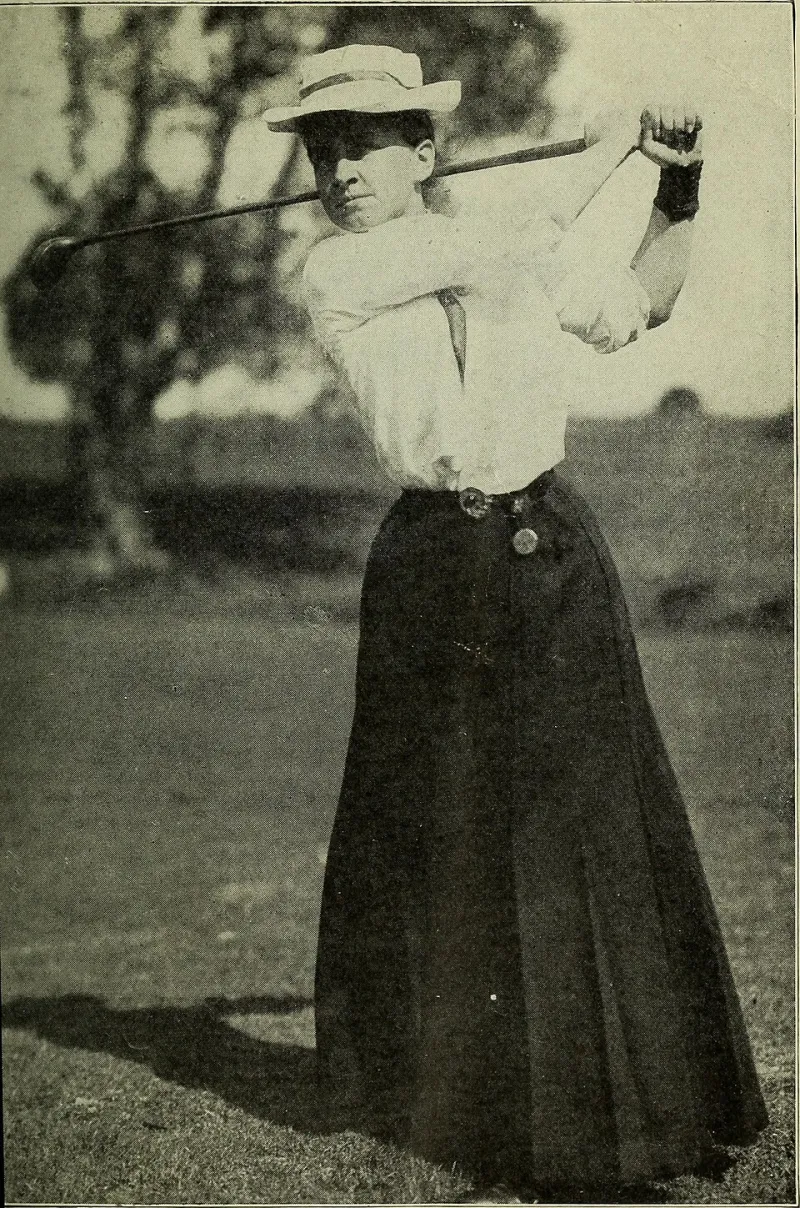
Photo: Evans, Chick, 1890-1979, No restrictions, via Wikimedia Commons
A caddie can look, from the clubhouse window, like a pleasant indulgence: a second pair of hands, a familiar face and a ready source of conversation. On a serious UK golf break, however, the local loop is better understood as an information service. The bag is merely the delivery method. What the golfer is really buying is a reading of the ground, the wind, the pin and the clubhouse lore that no yardage book can fully contain.
That distinction matters because caddies are not inexpensive, and they are not uniformly available. At many classic links and heathland venues, the caddie master will be allocating a finite pool of experienced loops, particularly in the height of the season. The question for the travelling club golfer is therefore not simply whether to take a caddie, but when the fee is likely to return value and how to brief the person carrying the bag so that local knowledge becomes a scoring asset rather than polite background noise.
When the Local Loop Is Worth the Fee
The strongest case for a caddie arises on a course that cannot be read from the tee. Links golf is the obvious example: blind carries, rumpled fairways, greens that repel a shot from the wrong quarter and wind that changes the club without changing the yardage. A good local will know that a shot playing 150 yards into the breeze may require the club for 170, and will know equally that the safe miss is short and left rather than long and right. That is not mystic knowledge. It is accumulated observation, and it is precisely what the first-time visitor lacks.
A caddie is also worth considering on a first visit to an unfamiliar heathland or parkland course where the premium is on angle rather than artillery. The Montgomerie Golf view is straightforward: the modern golfer is often well served by a guide who can say, with conviction, which side of the fairway opens the green. On a golf break, that advice can protect the opening round and prevent a good trip from being undermined by a careless course-management error on the first morning.
Where the case is weaker is on a course the golfer already knows well, or on a short, open layout where the primary questions are answered by the eye. In those circumstances, a caddie may still add companionship and pace, but the golfer should be honest about the return. The fee is best justified by uncertainty: unfamiliar turf, hidden lines, complex greens and weather that demands local interpretation.
The Booking Questions That Matter
A caddie should be requested at the same time as the tee time, not left to the morning of play. The club’s caddie master will need to know the number of bags, the preferred start time and whether the group requires single or double bagging. Double bagging can be efficient, but it reduces the attention available for each player. For a fourball seeking genuine course guidance, single bagging is the more serious arrangement, subject to availability and fee.
The golfer should also confirm the fee structure and the expected gratuity. UK practice varies by club, and it is better to ask the pro shop directly than to rely on assumption. Ask whether the fee is per bag or per round, whether there is a minimum for nine holes, and what happens if play is curtailed by weather. These are not indelicate questions; they are the ordinary logistics of a professional arrangement.
It is equally sensible to ask what the caddie will carry. Some loops expect to manage the bag, rakes and a towel; others will offer yardage, wind and green reading as part of the service. A brief enquiry about the caddie’s experience of the course is worthwhile. The answer will often reveal whether the golfer is being assigned a seasoned local or a less experienced hand.
The Briefing: Five Minutes That Save Five Shots
The most common mistake is to say nothing beyond a greeting and then expect the caddie to divine the player’s game. A short briefing before the first tee is far more useful. State the handicap, the usual shape of the ball, the miss that causes most trouble and the distance carried with the driver. Mention any physical limitation that affects walking or the swing, and say plainly whether the golfer wants a full reading on every shot or only on the demanding ones.
It also helps to set the tactical tone. A golfer playing a friendly away day may want conservative targets and a steady pace. A golfer in a medal or a society competition may want the caddie to challenge an over-ambitious line. The local can then calibrate advice to the player’s ambition rather than offering generic instruction. The best caddies are not empire builders; they are editors of the player’s own game.
Finally, agree the small signals. Will the caddie walk ahead to the green? Will they tend the flag? Should they read every putt or only the longer ones? A clear understanding on these points keeps the round fluent and avoids the awkwardness of a golfer who feels over-coached or a caddie who feels ignored.
Reading the Ground, Not Just the Green
The value of a local loop is not confined to putting. It appears in the club selection on a downwind par three, the knowledge that a particular bunker face is shallower than it looks, and the warning that a green feeds away from the pin on the left side. It appears, too, in the quiet observation that the second hole plays longer than its card suggests because the prevailing wind is against. These are the details that a yardage book cannot update on the day.
There is also the matter of pace. A caddie who knows the course can keep a group moving without hurrying it, identifying the sensible line to the next tee and the moment to let a faster match through. On a golf break, that kind of local judgement protects the rhythm of the day as much as the score.
Etiquette and the End of the Round
A caddie should be treated as a colleague, not a servant. Introduce yourself and the group, keep the bag reasonably tidy and avoid leaving litter in the pockets. Do not undermine the caddie’s advice in front of the group; if a line is rejected, reject it politely. The golfer remains responsible for the shot, but the local deserves the courtesy of being heard.
At the end of the round, settle the fee and gratuity promptly and in cash if that is the club’s convention. A brief word of thanks is worth more than it costs. If the caddie has been particularly helpful, the pro shop will remember a good report. On a first-class UK golf break, the local loop is part of the hospitality, and the golfer who briefs well and behaves well is likely to be given the best of what the club knows.
The caddie’s eye is not a substitute for a sound swing. It is an advantage in reading the course as it actually plays on the day. Used properly, it is one of the few premiums on a golf break that can pay for itself in shots saved and in the quiet pleasure of understanding a strange course before the round gets away.