The Pinned Briefing: What the Pro Shop Wall Tells You Before the First Tee
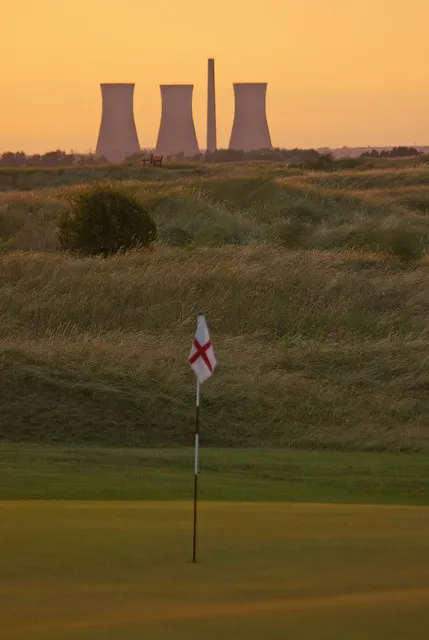
Photo: Ian Capper, CC BY-SA 2.0, via Wikimedia Commons
Most golfers arrive at an away course with their attention fixed on the first tee. They check the yardage book, tighten the shoes, rehearse a swing thought and glance at the sky. All sensible habits. Yet the most valuable intelligence on the property is frequently pinned to a corkboard a few feet from the counter, written in the modest language of club administration: winter mats, preferred lies, temporary greens, pin positions, competition results. It is not glamorous. It is, however, precisely the sort of information that separates a well-prepared round from an improvised one.
The Wall as an Early Caddie
A noticeboard is not a substitute for a yardage book or a conversation with the professional. It is a first filter. Before the bag is lifted from the boot, it tells the club golfer what kind of course is being presented that day. A course on mats is a course protecting its fairways. A course on preferred lies is a course acknowledging that winter drainage, not summer run, will shape the round. A course with temporary greens is a course asking for patience and a different scoring mindset. None of these details need dominate the day, but each should inform the plan.
The mistake is to treat such notices as housekeeping. They are course conditions in written form. A golfer who ignores them will still discover the truth at the first fairway, but will have wasted the journey from car park to tee. A golfer who reads them can begin the round already calibrated.
Nine Quiet Signals Worth Pausing For
There is no need to turn the noticeboard into a research project. A brief, disciplined scan is enough. Look for the current course status: mats, preferred lies, trolley restrictions, temporary greens or winter tees. Check the day’s pin positions if they are posted, particularly on a course with large or heavily contoured greens. Read any competition result sheet, not for gossip but for scoring patterns. Note the local rules that affect the first few holes. Look for tee reservations or society times that might compress the morning. Check whether the practice ground is open, closed or restricted. Confirm the pace-of-play expectation. And, if the club has posted a course maintenance note, read it as a forecast rather than an excuse.
These are the small signals that reward attention. They will not tell you how to swing, but they will tell you how to think.
Preferred Lies, Mats and the Winter Card
In the UK, the winter card is a distinct form of golf. Preferred lies may be in operation, allowing a cleaner lie in the fairway, but the same local rule can encourage a golfer to overlook the deeper question: how much run will the ball lose? Winter mats protect the turf, but they also change the strike. A ball sitting slightly higher can encourage a cleaner contact, while a mat that sits proud of the ground can alter the effective loft of a wedge. Neither is a problem if anticipated.
The noticeboard should therefore be read as a prompt for adjustment. If mats are in use, allow for a slightly different short-game picture around the greens. If preferred lies apply, do not assume every lie is perfect; the rule is a concession, not a transformation. If trolleys are restricted, plan the carry and the pacing of the round accordingly. The club golfer who reads these notices is not looking for excuses. They are looking for the terms of the day.
Pins, Plates and Temporary Greens
Pin positions are especially useful on a Montgomerie-style course, where angles and visual deception are part of the design brief. A pin cut close to a fall-away shelf changes the value of a bold approach. A pin tucked behind a bunker makes the safe side of the green the intelligent side. If the club posts pin positions, copy them into the margin of the scorecard or the notes app. It takes a minute and repays the attention.
Temporary greens deserve a similar reading. They are not merely shorter or softer targets; they change the rhythm of a hole. Approach shots may need to be played with less spin, and putts may run truer or slower depending on the surface. The noticeboard may also indicate whether a temporary green is in play for the whole round or only for part of the day. That distinction matters for the scoring plan.
Results as a Form Guide
Competition results are often overlooked, yet they can be quietly revealing. A stableford sheet with low scores across the field suggests benign conditions and receptive greens. A medal result with several no-returns suggests wind, rough or a course set-up that punishes the crooked drive. The club golfer need not analyse the field in detail. A glance at the leading scores and the general spread is enough to sense what the course has been giving.
This is not about copying another player’s round. It is about arriving with a realistic expectation of scoring. A course that has been playing tough is not the place for heroic recovery shots on the first three holes. A course that has been yielding low numbers may reward a more committed start.
The Three Questions at the Counter
Before paying, ask the professional three short questions. First: what is the current course condition, including any local rules that are not obvious from the board? Second: are there any temporary greens, mats or restricted areas that affect the opening holes? Third: is there anything about the day’s set-up, from pin positions to pace of play, that a visitor should know? These questions are efficient, respectful and entirely within the spirit of a clubby away day. The professional will usually answer with more detail than the board provides, and the conversation sets the right tone for the round.
From Notice to Plan
The noticeboard does not replace the first tee, the practice green or the yardage book. It simply arrives earlier. Read it with the same care you would give a competition entry sheet or a train timetable. Then make one or two small decisions: choose a more conservative club on the opening hole, allow for less run on the fairway, treat the temporary green as a different target rather than a lesser one. That is the quiet intelligence of the pro shop wall. It asks for a moment’s attention and gives the club golfer a better chance of playing the course as it actually is.